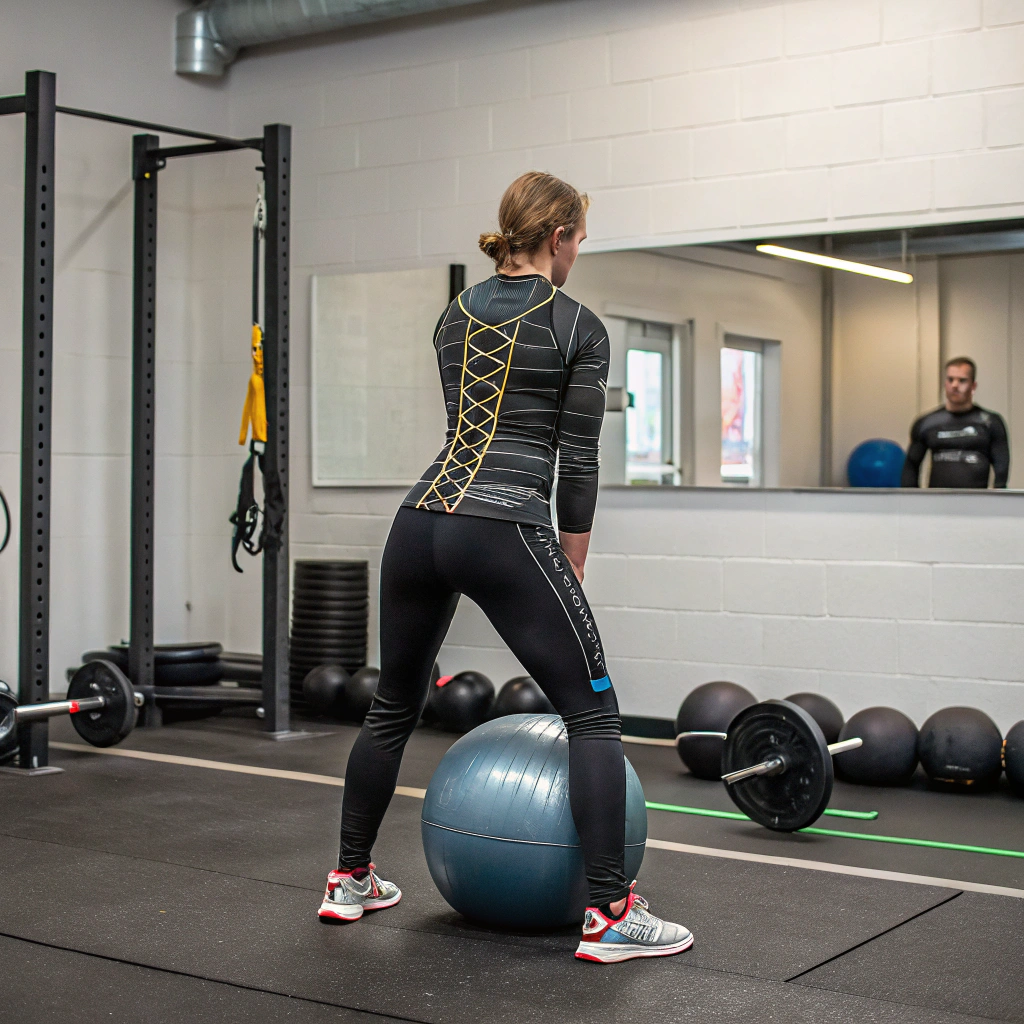
Loss of Muscle Mass
After several months of consciously working towards weight loss, it was time to look at the topic from a different perspective – rebuilding muscles.
This is a necessary step after the initial weight loss process, especially when I noticed that my body composition analysis device started signaling a problem: in addition to a decrease in overall fat and visceral fat, my muscle mass had also decreased.
This result made me think. It turned out that my body, besides burning fat tissue, also started utilizing proteins stored in my muscles as an energy source, effectively “eating” them. It’s hard to deny that, in a way, I contributed to this myself.
I probably didn’t analyze my diet carefully enough, especially the amount of protein I should consume daily, considering that I am more active than the average person (I swim regularly and have recently started working out at the gym).
What went wrong?
Although I thought I was doing everything “according to plan,” my body clearly showed that it needed support in the form of a better-balanced diet. The main issue was the insufficient amount of protein, which is absolutely essential for protecting and rebuilding muscles, especially when in a caloric deficit.
I began to dig deeper into the topic – I read articles, talked to people who have been training at the gym for years, and consulted more experienced friends.
All these sources confirmed what scientific studies emphasize: protein is the foundation of muscle building, and it’s crucial to prevent muscle loss during weight loss by using various dietary supplements (because it’s difficult to consume enough protein through a traditional daily diet).
What did I learn?
Summarizing my findings, here are a few key takeaways I consider most important:
- Protein intake is crucial: For physically active individuals, a protein intake of 2–2.5 g per kilogram of body weight is recommended.
- Meal regularity: It’s essential to consume protein evenly throughout the day – not just after training, but also in other meals, to ensure the body has a constant supply of amino acids.
- Some experienced individuals recommend consuming protein before strength training as well.
- Protein quality: Focus on a variety of protein sources such as meat, fish, eggs, dairy, tofu, and supplements if you find it challenging to meet your daily protein needs.
- Strength training as the key to muscle rebuilding: Properly planned weight training exercises are essential to stimulate muscle growth. Experienced individuals highlight that combining gym training with a well-balanced diet and proper supplementation delivers the expected and visible results.
Knowledge I Recommend
If you want to explore the topic as I did, here are some excellent sources of knowledge that I found:
- Examine.com – Evidence-based information on nutrition and supplements
- Healthline – Muscle Building and Fat Loss
- PubMed – Research on protein and muscle recovery
Summary
The process of losing weight while rebuilding muscles requires a well-thought-out plan and patience. I made some minor mistakes – now it’s time for adjustments.
I’ve learned something important from my mistakes – the body doesn’t forgive neglect when it comes to nutrition and recovery. Today, after a few months of conscious weight loss, my approach is more refined, and I’m happy to share what I’ve experienced and learned.
If you also want to start rebuilding muscles after weight loss, remember – everything begins with small steps and attention to the basics.
I’m rooting for you!